PHILSURIN ADVISORY: Protect Your Sugarcane from the Red-Striped Soft Scale Insect (RSSI)
🚨 PHILSURIN ADVISORY: Protect Your Sugarcane from the Red-Striped Soft Scale Insect (RSSI)
A new threat to sugarcane has emerged — the Red-Striped Soft Scale Insect (RSSI) (Pulvinaria tenuivalvata), first detected in Pampanga in 2022 and now confirmed in various parts of Negros in early 2025. Sugarcane farmers must stay alert and informed to prevent its spread and minimize crop damage.
🔍 What is RSSI?
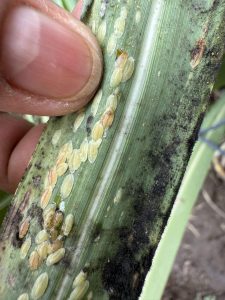
The Red-Striped Soft Scale Insect is a sap-sucking pest that feeds on the lower leaves of sugarcane and moves upward as the infestation progresses. It produces a sticky substance called honeydew, which promotes the growth of black sooty mold — making the plants appear dirty and unhealthy.
⚠️ Why is RSSI a Concern?
Causes yellowing, drying, and wilting of sugarcane leaves
Weakens the plant and affects overall crop health
Can spread quickly from one field to another if left unmanaged
Difficult to detect early if not monitored regularly
🧠 How to Identify RSSI:
Appears first on lower leaves
Leaves turn yellow, especially near the base
Presence of black mold on leaf surfaces
Visible insects with red stripes in various growth stages (nymph to adult)
🛡️ How to Prevent and Manage RSSI:
✅ 1. Monitor Regularly
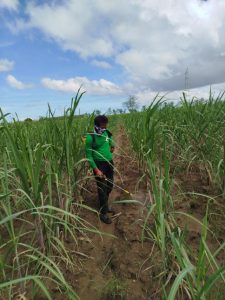
Check your fields weekly, especially lower leaf areas.
Look for signs of yellowing or sticky, mold-covered leaves.
✅ 2. Remove Infested Leaves
Physically remove and burn infested leaves to stop further spread.
Remove any leaves with visible black mold or insects.
✅ 3. Chemical Control that showed promising result in reducing RSSI population
Carbofuran, Phenthoate, Dinotefuran, Thiamethoxam, Pymetrozine, and Buprofezin.
If you suspect an infestation, please contact your local PHILSURIN representative or Department of Agriculture and Sugar Regulatory Administration immediately for support and sample testing.
PHILSURIN is collaborating with government agencies to explore the use of biological control agents for RSSI.